Electric vehicles are fundamentally different from combustion-engine cars in one critical way that often goes unnoticed: the wiring. An EV carries significantly more electrical load than a traditional vehicle, managing high-voltage battery systems, motor controllers, thermal management, ADAS sensors, and onboard charging simultaneously. The wire harness that ties all of this together is not a generic component.
Selecting the right EV wiring harness manufacturer is a decision that affects vehicle safety, regulatory compliance, and long-term reliability. This guide breaks down ten manufacturers worth evaluating, alongside the key factors that separate capable suppliers from the rest.
What Makes EV Wire Harnesses Different
A conventional automotive harness handles 12V systems. An EV harness operates across multiple voltage domains, from low-voltage control signals to high-voltage battery cables running at 400V or 800V. The engineering requirements change dramatically at those levels.
Manufacturers working in this space must address:
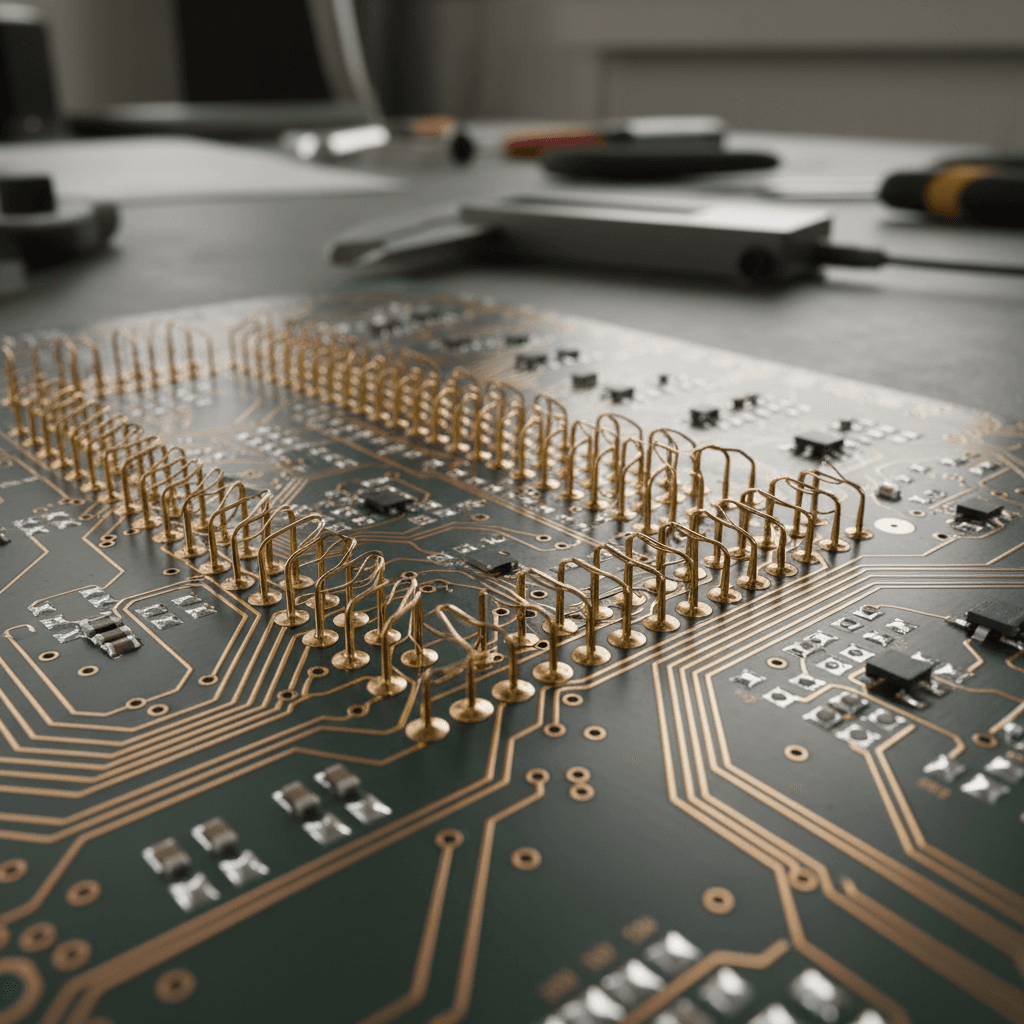
High-voltage insulation: Materials must withstand elevated voltage without degradation over the vehicle's service life
Thermal management: Harnesses routed near battery packs or inverters face sustained heat exposure
EMI shielding: Electric drivetrains generate electromagnetic interference that can disrupt control systems if not properly managed
Weight optimization: Every kilogram affects range, so wire gauge and routing are carefully engineered
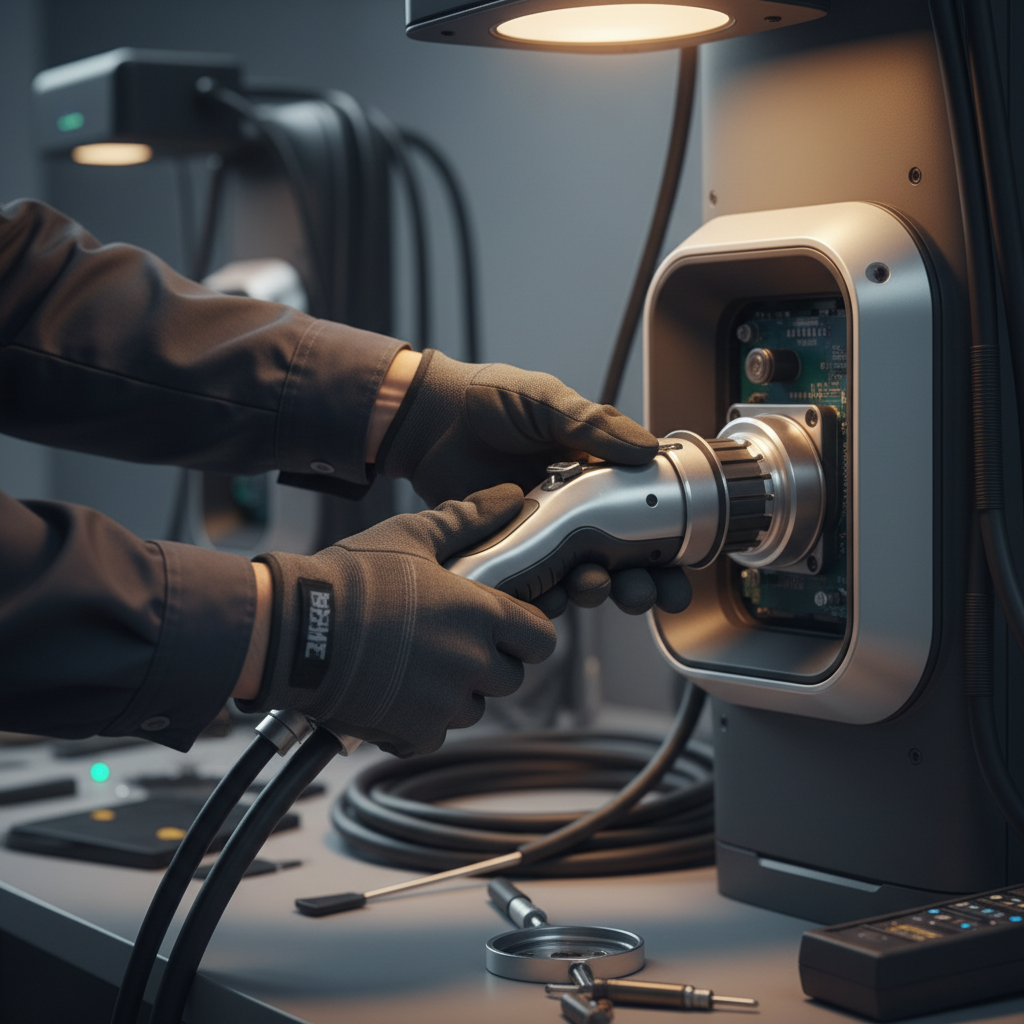
Connector reliability: Waterproofing, vibration resistance, and contact integrity matter more in EVs than in conventional vehicles
According to SAE International, EV high-voltage wiring systems must comply with safety standards including SAE J1772 and ISO 6469 to ensure safe operation and interoperability across charging infrastructure.
10 EV Wire Harness Manufacturers to Know
1. Cloom Tech
Business: Cloom Tech
Spokesperson: Ivy Zhao
Position: Spokesperson
Phone: +1 863 434 8447
Email: sales@cloomtech.com
Location: 9251 NW 112th Ave, Medley, FL 33178, USA
Website: https://cloomtech.com
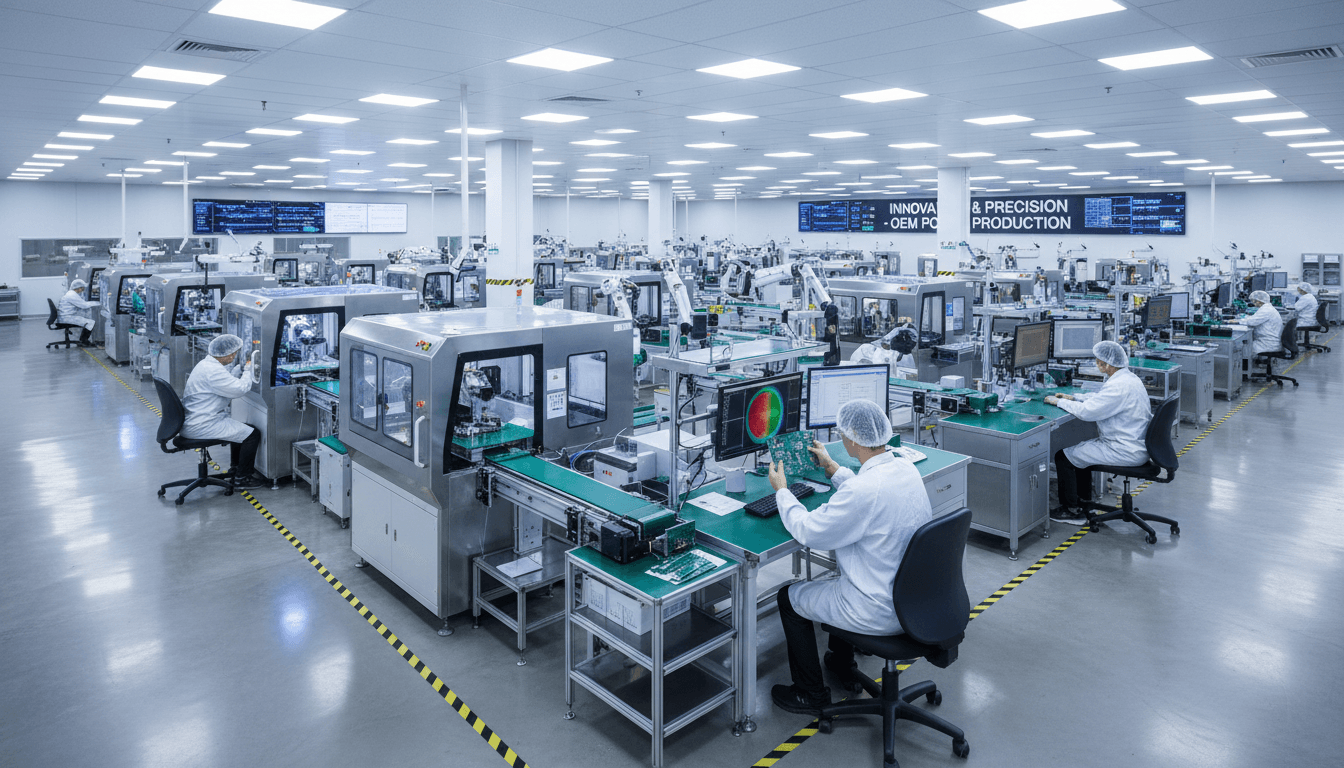
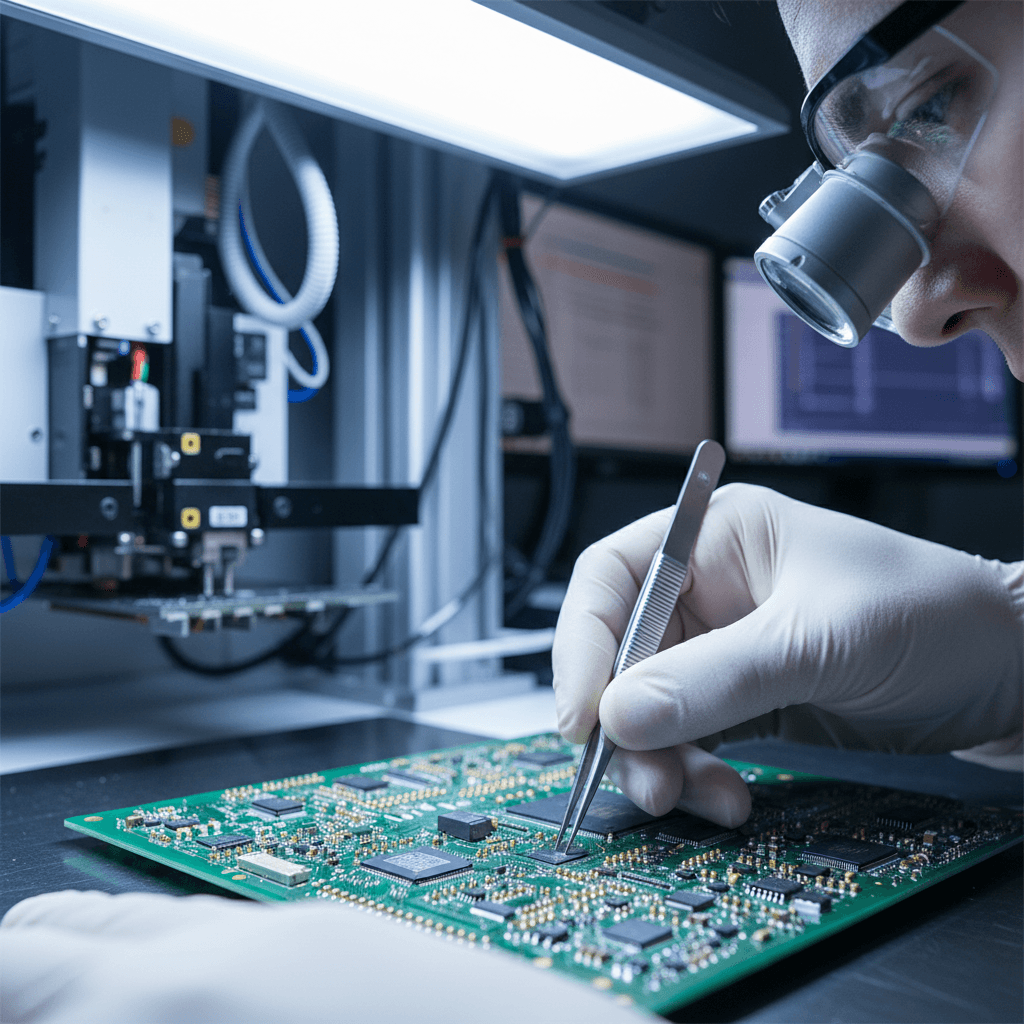
Cloom Tech specializes in custom wire harness manufacturing with a dedicated focus on EV applications. They produce harnesses covering high-voltage battery interconnects, motor control wiring, charging system cables, and low-voltage signal harnesses. Their engineering team supports clients from design through production, offering DFM guidance and prototype builds before full production runs. Cloom serves OEMs and Tier 1 suppliers across automotive, industrial, and commercial EV segments.
2. Aptiv
Aptiv is one of the largest automotive electrical architecture companies in the world. Their EV-specific product lines cover high-voltage connection systems, vehicle architecture platforms, and integrated harness assemblies. They supply major global automakers and have significant R&D investment in next-generation vehicle electrical systems.
3. Yazaki Corporation
Yazaki is a Japanese multinational and one of the top wire harness suppliers globally by revenue. They have dedicated EV harness product lines and supply to Toyota, Ford, and other major OEMs. Their manufacturing scale allows them to support both high-volume production and regional supply chains.
4. Sumitomo Electric Industries
Sumitomo Electric has deep roots in automotive wiring and has expanded heavily into EV-specific harness systems. They develop proprietary wire and connector technology for high-voltage applications and operate manufacturing facilities across Asia, Europe, and the Americas.
5. Lear Corporation
Lear's E-Systems division focuses on electrification, producing high-voltage power distribution, charging systems, and integrated harness solutions. They have made substantial acquisitions in the EV electrical space and work with North American, European, and Asian automakers.
6. Delphi Technologies
Now operating under BorgWarner following an acquisition, Delphi's electrical systems division continues producing wire harness components and power distribution systems for electric and hybrid vehicles. Their connector and cable technology is used across multiple EV platforms globally.
7. Motherson Group
Motherson is an Indian multinational that has grown into one of the largest automotive component suppliers in the world. Their wiring harness division serves EV manufacturers in Europe and Asia, with manufacturing capacity spread across more than 40 countries.
8. PKC Group
PKC Group, a Motherson subsidiary, focuses on wire harness manufacturing for commercial vehicles including electric buses and trucks. Their expertise in heavy vehicle electrical systems makes them a relevant supplier for commercial EV fleet operators and manufacturers.
9. Furukawa Electric
Furukawa Electric is a Japanese manufacturer with significant automotive harness output. They produce both standard and high-voltage EV harness systems and have joint ventures with major automakers to support dedicated EV model lines.
10. Coroplast
Coroplast, part of the Cordes Group, is a German manufacturer specializing in automotive cable and harness production. They have developed specific product lines for EV applications including high-voltage cables and battery wiring systems, with a strong presence in the European automotive market.
How to Evaluate an EV Wire Harness Supplier
The supplier list above covers companies across a wide spectrum of scale and specialization. What matters most depends on your project requirements.
Certifications and Standards Compliance
EV harness manufacturers should hold ISO 9001 at minimum. IATF 16949 is the automotive-specific quality management standard, and compliance signals a supplier has the process controls needed for automotive production. For high-voltage systems, UL certification on cables and components adds an additional layer of safety assurance.
High-Voltage Design Capability
Not every harness manufacturer has genuine high-voltage engineering experience. Ask prospective suppliers about their experience with specific voltage classes, shielding approaches, and connector sealing ratings. Request examples of previous EV programs they have supported.
Vertical Integration
Suppliers that produce their own wire, terminals, and connectors have more control over material quality and lead times than those who source externally. Vertical integration also simplifies troubleshooting if quality issues arise.
Prototype and Low-Volume Support
For EV startups and smaller OEMs, the ability to produce low-volume prototype harnesses before committing to tooling is important. Not all large Tier 1 suppliers accommodate small initial quantities. Custom manufacturers like Cloom are often better suited for early-stage programs.
Regional Manufacturing Presence
Supply chain disruptions have pushed many EV manufacturers to regionalize their sourcing. Confirm whether your target supplier has manufacturing capacity near your assembly location to reduce logistics risk and lead times.
EV Harness Voltage Classes at a Glance
Voltage Class | Typical Application |
12V / 48V | Control signals, lighting, accessories |
400V | Standard EV battery and drivetrain |
800V | High-performance and fast-charge platforms |
Custom HV | Commercial trucks, buses, industrial EVs |
Key Standards Governing EV Wiring
EV wire harness design and manufacturing sits at the intersection of several regulatory frameworks. The IEC 62196 standard governs plugs, socket-outlets, and connectors for EV charging, while ISO 6469 covers electrical safety requirements for the vehicle itself. Manufacturers working with North American OEMs will also reference SAE standards for connector interoperability and high-voltage system safety.
Understanding which standards apply to your vehicle platform helps narrow the supplier list quickly. Not every manufacturer is qualified across all frameworks.
FAQs
What does an EV wire harness include?
It covers all wiring circuits in the vehicle including high-voltage battery cables, motor connections, charging system wiring, and low-voltage control harnesses.
How is an EV harness different from a regular car harness?
EV harnesses handle much higher voltages and require specialized insulation, shielding, and connector sealing that standard 12V automotive harnesses do not need.
What certifications should an EV harness supplier have?
ISO 9001 and IATF 16949 are standard expectations. UL certification on high-voltage components adds safety verification for the North American market.
Can small EV manufacturers order custom harnesses?
Yes. Several manufacturers including custom-focused suppliers support low-volume and prototype orders without requiring large production commitments.
How long does EV wire harness development take?
For custom designs, development typically runs 8 to 20 weeks depending on complexity, tooling requirements, and prototype iterations.
Getting the Supplier Decision Right
Wire harness failures in EVs are not minor inconveniences. They can affect vehicle safety, trigger recalls, and damage brand reputation in a market where consumer trust is still being established.
The ten manufacturers covered here represent different tiers of scale, specialization, and geographic focus. Large Tier 1 suppliers suit high-volume OEM programs with established production timelines. Custom manufacturers are better positioned for programs that need engineering collaboration, flexibility on volume, and faster prototype turnaround.
The right approach is to align supplier capability with your actual program needs rather than defaulting to name recognition. For most EV programs, requesting sample builds and reviewing quality documentation before locking in a supplier is time well spent.